What to eat when you're depressed
Depression makes cooking feel impossible and food feel pointless. The goal isn't optimal nutrition it's eating one real meal today. The picks below need no prep beyond ordering, are warm and easy to eat, and give your body the basics: protein, fluid, complex carbs, some fat. If you only do one thing for yourself today, let it be this. Tomorrow's version of you will be grateful.
Top 5 picks when you're depressed
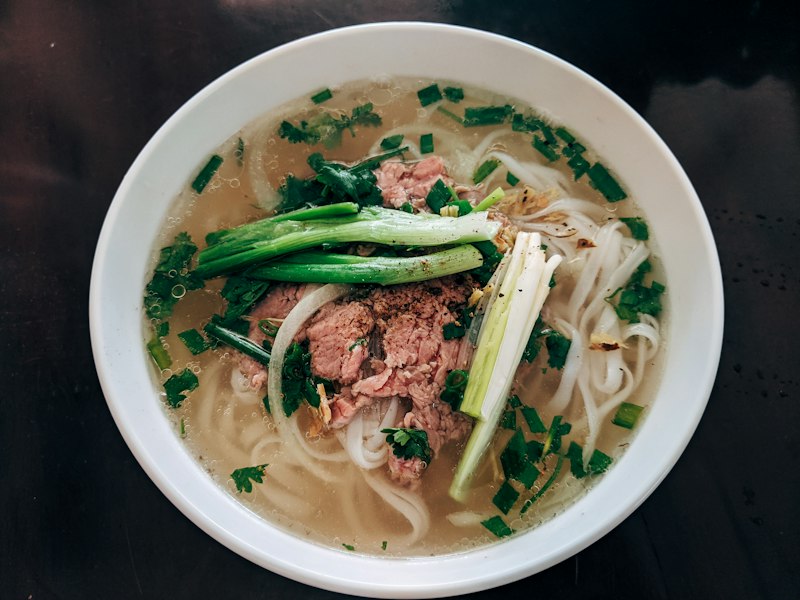
1. Pho
Light broth, slow steam like a deep breath in a bowl.
2. Mac & Cheese
Pure nostalgia. Creamy carbs that fix any kind of bad day.
3. Smoothie Bowl
Cold, vibrant, energy without the crash. A good morning fix.
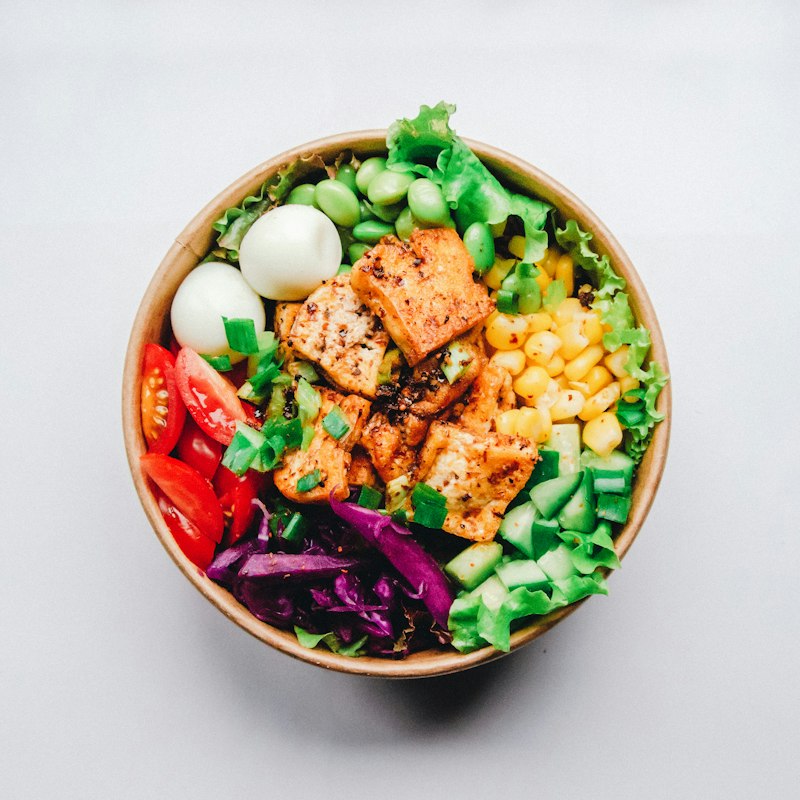
4. Grilled Chicken Bowl
Clean protein, fresh greens. Your body will thank you.
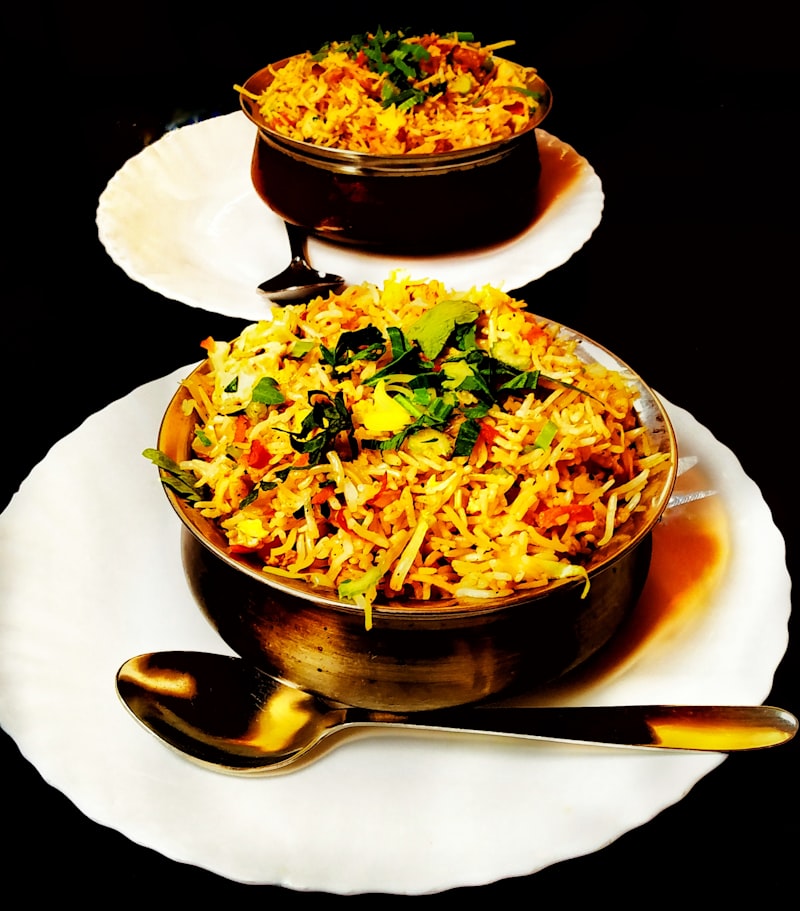
5. Chicken Biryani
Layered, fragrant, deeply satisfying pure comfort with a kick.

Why these meals work
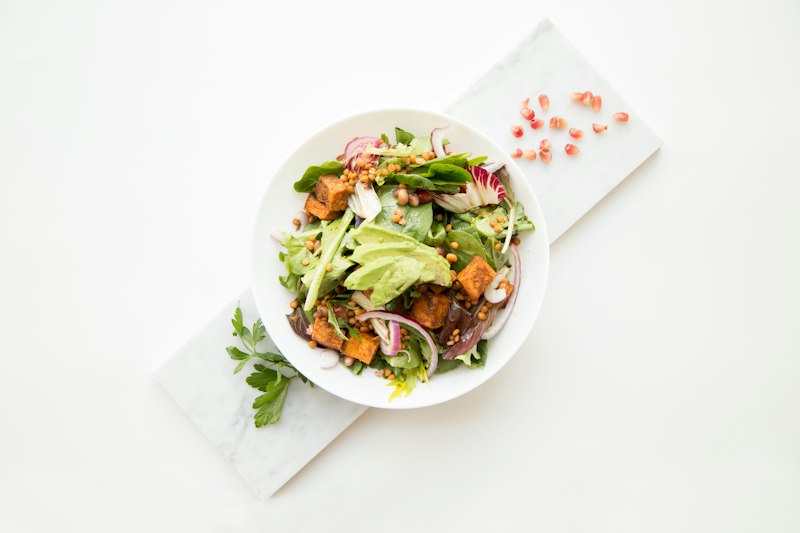
Depression alters appetite, sleep, and motivation, often all at once. Skipping meals makes everything measurably worse low blood sugar deepens low mood within hours. Pho is the lowest-effort meal that still counts as real: hot, hydrating, salty, easy to keep down even when you barely want it. A smoothie bowl works if hot food sounds awful cold, sweet, and you can drink it. Mac & cheese, biryani, and grilled chicken bowls are all fine choices if you have a little more energy. None of these are 'wellness' meals they're meals you can actually finish on a bad day, which is the only metric that matters. If you're going through a long depressive period, talk to a professional; food helps, but it's not a substitute for treatment.
What to avoid
- Skipping meals entirely makes mood crash worse.
- Living on snacks alone for days tanks energy and sleep.
- Heavy alcohol depressant in the literal medical sense.
Frequently asked questions
What should I eat when I'm depressed and have no energy to cook?
Order one warm meal: pho, mac & cheese, a grilled chicken bowl, or anything with protein + carbs + a little fat. Cooking is optional; eating is not.
Do certain foods help depression?
Omega-3s (salmon, sardines), leafy greens, fermented foods, and complex carbs all show modest mood benefits in studies. They're not a cure, but they're a meaningfully better baseline than coffee and chips.
Why do I have no appetite when depressed?
Depression suppresses hunger hormones and dulls reward signaling food just doesn't feel rewarding. The fix is eating small meals on a schedule, even when you don't want to, so your body doesn't compound the low-energy crash.
Should I see a doctor about appetite changes?
Yes significant appetite changes lasting more than two weeks are worth raising with a doctor or therapist. They're a common symptom, very treatable, and not something you have to fix alone.
Other "what to eat when…" guides
Not sure what mood you're in?
Take the 2-question quiz we'll match you to a meal in seconds.